
Combustible dust explosion
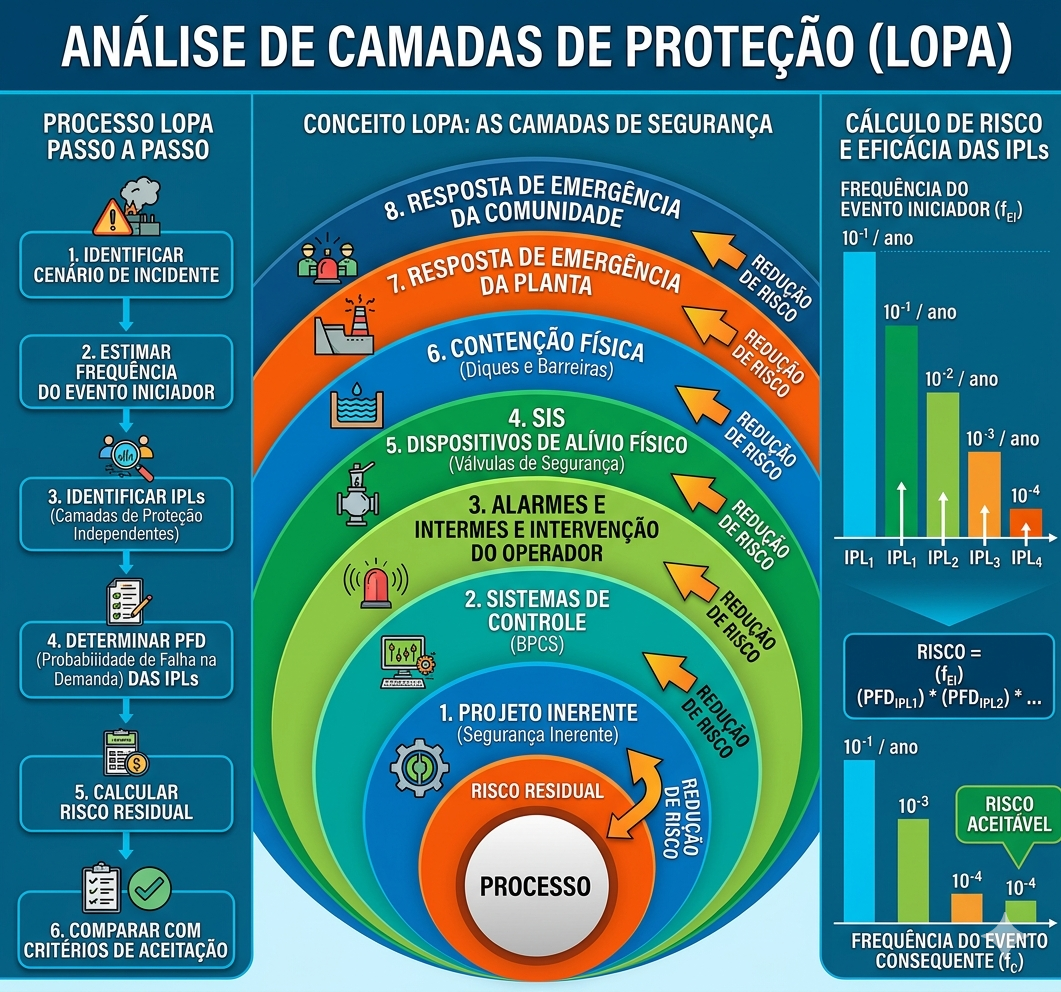
Combustible dust has caused several accidents around the world, as recorded in the final CSB report published on June 12, 2023, regarding the accident that occurred on May 31, 2017, where five workers died and fourteen were injured. Therefore, it is crucial to recognize these kinds of risks and take appropriate measures to lower the likelihood of an explosion, fire or flash fire. Determining whether the product can produce combustible dust is the first step. To aid in accurate identification, OSHA has created a comprehensive list of goods that produce this type of dust. The dust’s physical characteristics should then be examined in order to comprehend its behavior. Pmax, Kst, and (dP/dt)max are critical indices to handle in relation to the potential damage caused by the explosion. Due to the possibility to happen major accident, it is crucial to conduct assessments to reduce or control the risks of fire or explosion in your facilities, thus protecting people, property, and the environment. The figure below suggests some steps that can be followed. NFPA 660, released in December 2024, superseded the former standards pertaining to combustible dust and included PSM elements in Chapter 8. Additionally, OSHA has released a number of regulations that help manage facilities that deal with combustible dust.